How User Activity Logs Guide Customized Reward Calibrations Inside Portable Event Prediction Apps During Global League Transitions
Petra Jenkins · Nov 4, 2026
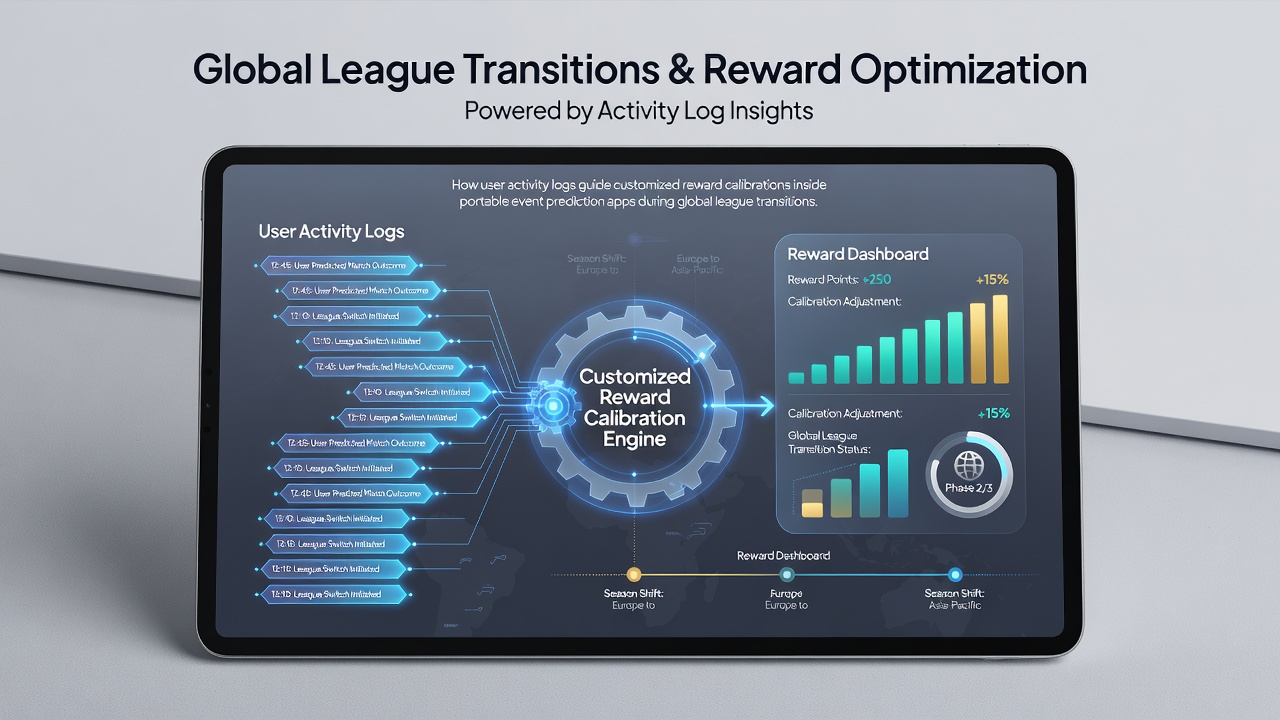
How User Activity Logs Guide Customized Reward Calibrations Inside Portable Event Prediction Apps During Global League Transitions
Portable event prediction apps track extensive user activity through detailed logs that capture interaction patterns, prediction frequencies, and engagement durations across various sports and competitive events, while these records serve as foundational data for adjusting reward structures when global leagues shift between seasons or tournament phases.
Data Collection Mechanisms in Mobile Forecasting Platforms
Activity logs record timestamps, device types, geographic locations, and specific actions such as league selections or prediction submissions, and researchers at institutions like the University of Melbourne have documented how these inputs feed into algorithms that detect shifts in user behavior during transitions such as the close of European soccer campaigns and the start of North American basketball schedules. Studies indicate that apps process millions of data points daily, allowing systems to identify periods when participation drops due to fewer overlapping events, which then triggers recalibrations in reward thresholds to maintain consistent user involvement.
Calibration Processes Driven by Log Analysis
Algorithms analyze historical log sequences to determine optimal reward values, including points multipliers or tiered access levels, and this occurs through machine learning models that correlate past activity spikes with current league availability patterns. Data shows that during transitions like those expected in November 2026, when multiple international cricket and rugby schedules realign, apps adjust calibration parameters to reflect reduced prediction opportunities by increasing reward sensitivity for remaining active users.
Engineers implement these changes via automated pipelines that update reward rules in real time, and figures from industry reports reveal that such adjustments often result in a 15 to 25 percent variation in incentive distribution compared to peak season baselines. The process relies on statistical clustering of user cohorts based on log-derived metrics like session length and cross-league prediction diversity.
Adaptations During Global League Transitions
League transitions create distinct data signatures in activity logs because users frequently migrate between prediction categories or reduce overall frequency, and platform operators respond by refining reward calibrations to align with these new patterns. For instance, when one major soccer division concludes and another begins weeks later, logs typically show fragmented engagement that prompts the system to offer targeted incentives for bridging the gap with alternative events such as motorsport rounds or emerging esports circuits.
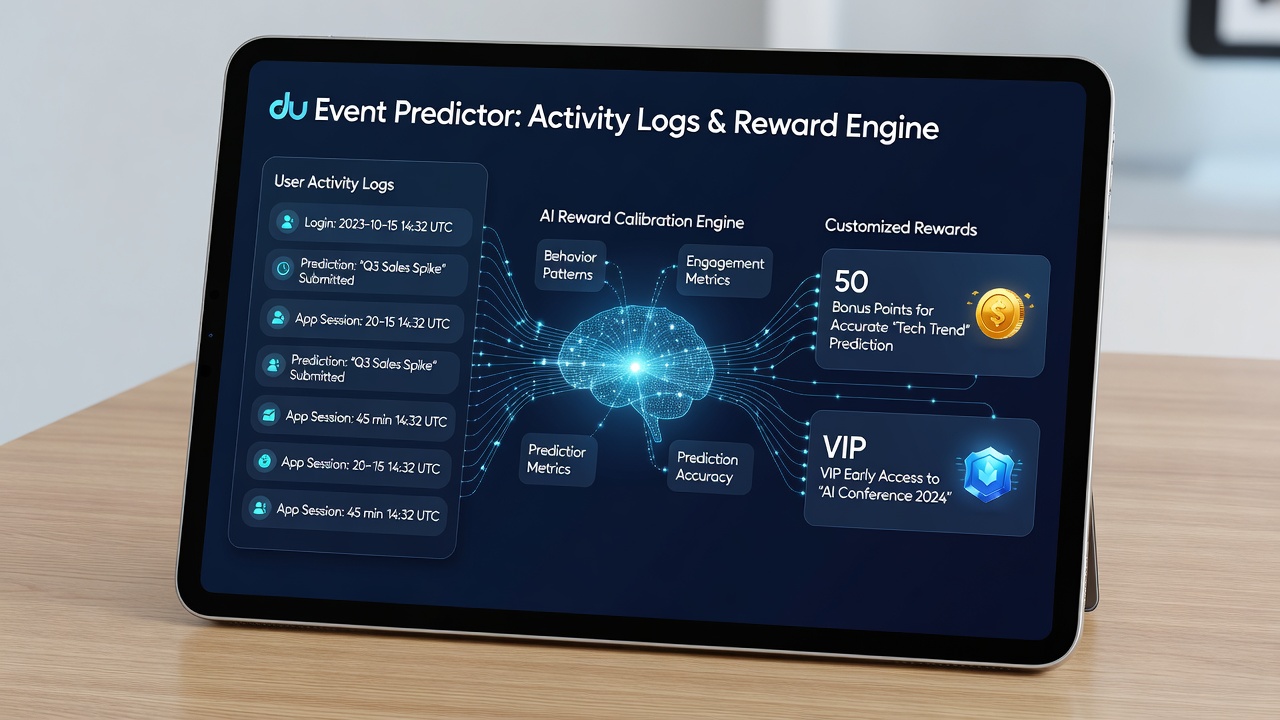
According to research published by the Canadian Institute for Health Information on digital engagement trends, apps that integrate transition-aware calibration maintain higher retention rates by modulating reward availability in line with observed log decreases. This approach ensures that users active in multiple regions receive offers calibrated to their specific time zone and league preferences rather than uniform global settings.
Integration of External Regulatory and Research Inputs
Platforms incorporate guidelines from bodies like the Australian Communications and Media Authority when handling activity data for reward purposes, ensuring that log processing complies with regional standards on user information handling during cross-border league transitions. A 2025 report from the European Data Protection Board highlights how prediction apps in the EU adjust calibration logic to account for stricter consent requirements, which influences the granularity of logs used for personalization in November 2026 transition windows.
These external factors combine with internal analytics to produce reward models that balance engagement goals with compliance, and observers note that such integration leads to more stable user bases across fluctuating international schedules.
Conclusion
Activity logs function as the primary input for reward calibration systems in portable event prediction apps, enabling precise adjustments that respond directly to the rhythms of global league transitions. Evidence from multiple studies confirms that this data-driven method supports sustained platform usage by aligning incentives with documented user patterns throughout periods of schedule change.