How Streaming Service Tie-Ins Trigger Customized Deposit Matches for Dedicated Esports Followers During Off-Season Windows
Petra Jenkins · Sep 9, 2026
How Streaming Service Tie-Ins Trigger Customized Deposit Matches for Dedicated Esports Followers During Off-Season Windows
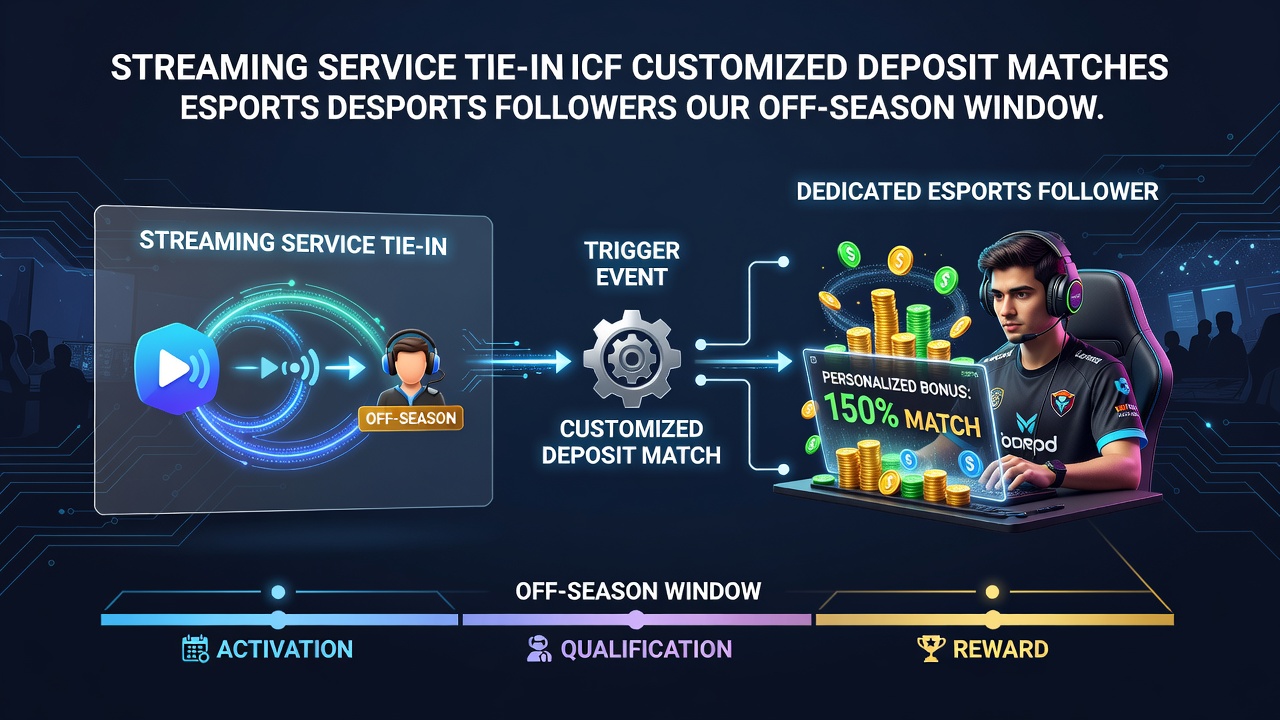
Streaming services have formed direct connections with wagering platforms, and these partnerships activate personalized deposit matches for esports viewers precisely when major league schedules enter their quieter stretches, data from industry tracking shows. Dedicated followers who maintain consistent viewing habits through apps like Twitch or dedicated esports channels often receive tailored offers that align with their account activity and regional availability. Such mechanisms rely on shared user data patterns between the streaming providers and the prediction platforms, allowing for automated adjustments during periods without live tournaments.
Off-Season Windows and Viewer Retention Patterns
Esports calendars include defined breaks after major events such as international championships, and September 2026 falls into one such window for several professional circuits including certain Valorant and Dota 2 seasons. During these intervals, streaming platforms report sustained but reduced engagement levels among core audiences, according to aggregated viewer metrics released by service operators. Wagering platforms respond by linking deposit match promotions to continued streaming subscriptions or watch-time thresholds, which helps maintain user presence on both services. Researchers at academic institutions studying digital entertainment consumption have documented how these synchronized incentives appear more frequently when live competition pauses, creating measurable upticks in account funding activity among repeat viewers.
Mechanics Behind Customized Deposit Matches
Algorithms pull information from streaming histories, including hours watched per title and favorite team affiliations, then cross-reference that data with wagering account details to generate deposit match percentages that vary by individual. One study from a North American research group tracking mobile application usage found that users logging over fifteen hours of esports content monthly during off-peak months qualified for deposit matches ranging from fifty to one hundred percent on initial reloads, with the exact figure determined by loyalty tier and geographic restrictions. These offers activate automatically once the user links their streaming profile to the forecasting app, and the matches apply only to deposits made within a set timeframe tied to the league calendar lull. Platform operators coordinate these triggers through secure data-sharing agreements that comply with local regulations in multiple jurisdictions, including oversight from bodies such as the Nevada Gaming Control Board and equivalent agencies in Australian states.
Take one case where a follower of European League of Legends teams maintained streaming access throughout the summer break in 2025, and the integrated system delivered a seventy-five percent deposit match upon the next account reload. Similar patterns repeat across regions because the underlying data models prioritize retention during predictable schedule gaps rather than peak event periods.
Regional Variations in Offer Deployment
Availability of these tied promotions shifts according to local rules on digital entertainment and prediction services, with stricter verification processes in some Canadian provinces compared to certain U.S. states. Industry reports compiled by the European Gaming and Betting Association indicate that cross-platform integrations expand most rapidly in markets where both streaming subscriptions and mobile wagering apps operate under unified age and identity checks. Dedicated followers in those areas encounter deposit matches calibrated to their specific viewing streaks, while users elsewhere see more limited options or none at all during the same off-season span. Data indicates that September 2026 will likely follow this established cycle, as league operators have already published schedules showing extended pauses between summer finals and fall qualifiers.
Data Integration and Trigger Conditions
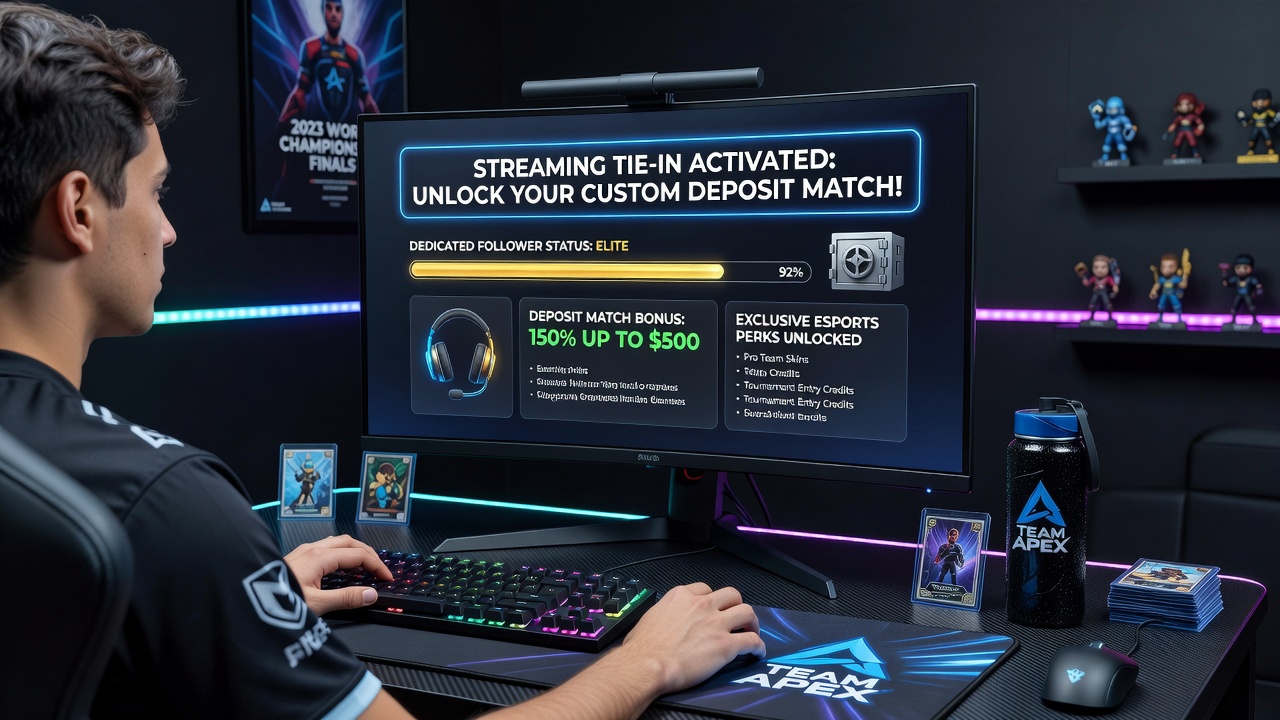
Shared application programming interfaces allow streaming services to transmit anonymized engagement signals directly to wagering systems, and those signals determine whether a user meets the threshold for a customized match. Observers note that minimum watch-time requirements often combine with account age and prior deposit history to unlock higher match rates, creating a layered qualification process. Figures from platform analytics reveal that such conditional triggers activate within forty-eight hours of a user completing the linked viewing milestone, after which the deposit window remains open for an additional seven to fourteen days depending on the specific league cycle. This approach avoids broad promotions and instead focuses resources on followers who demonstrate ongoing commitment even when no live matches occur.
What's notable is how these systems adjust thresholds dynamically based on overall platform traffic, so users in lower-activity regions may receive proportionally larger matches to sustain engagement levels. Regulatory frameworks in place across several jurisdictions require clear disclosure of these data flows, ensuring participants understand the connection between their streaming behavior and the resulting wagering incentives.
Conclusion
Streaming service integrations with wagering platforms continue to shape deposit match structures for esports audiences during scheduled off-season intervals, with customization driven by measurable viewing data and compliance with regional standards. Patterns observed through 2026 point to continued refinement of these automated processes as more leagues publish their calendars in advance. Those who track both viewing and account activity across connected services encounter the most precise offers aligned with individual habits and location-based rules.