How Data-Driven Thresholds Alter Reward Access for Followers of Lesser-Known Athletic Leagues in Smartphone-Based Systems
Vera Becker · Oct 21, 2026
How Data-Driven Thresholds Alter Reward Access for Followers of Lesser-Known Athletic Leagues in Smartphone-Based Systems
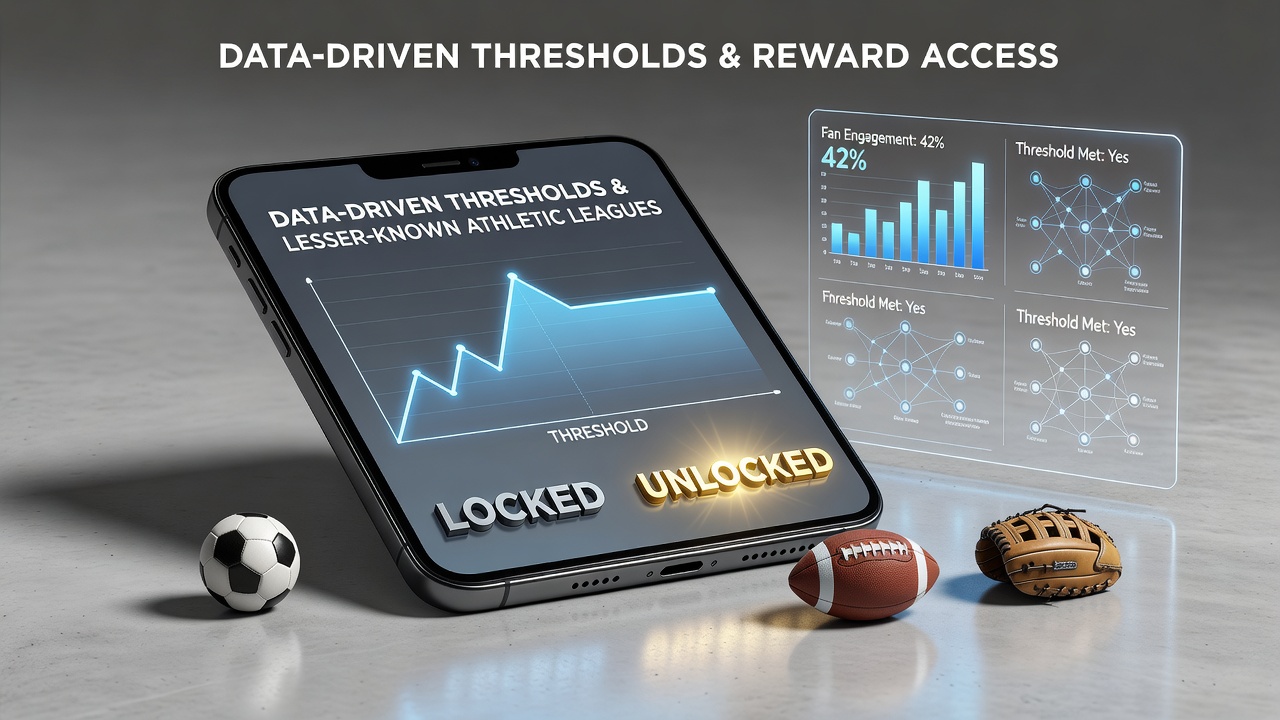
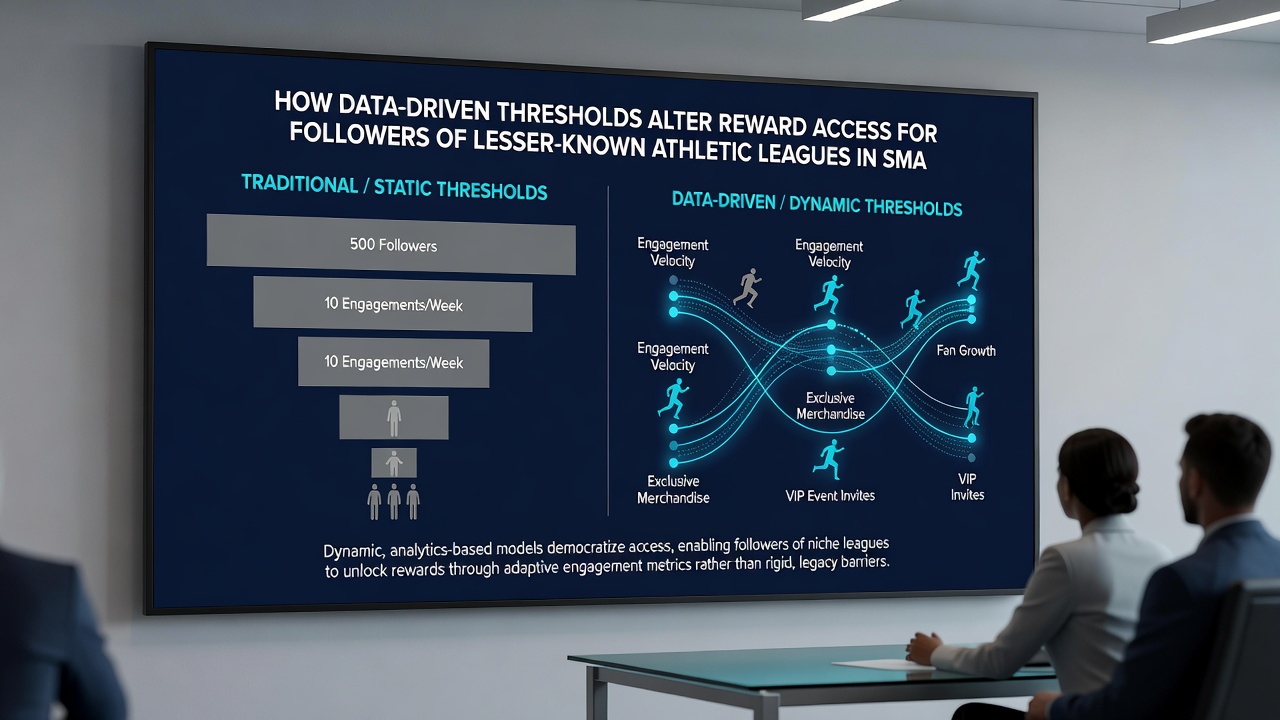
Data analytics now shape reward structures inside smartphone applications that track follower engagement with lesser-known athletic leagues, and these systems adjust access points based on user behavior patterns collected across global competitions. Observers note that platforms gather metrics on viewing duration, prediction accuracy, and interaction frequency before setting individualized thresholds that determine when users qualify for bonuses or unlockable content. Research from academic institutions indicates such methods emerged as mobile forecasting tools expanded coverage beyond major circuits into regional soccer divisions, minor basketball conferences, and emerging combat circuits during the mid-2020s. Those who study application ecosystems report that thresholds often incorporate variables like league popularity scores and user retention rates collected in real time. When participation numbers for a niche volleyball tournament drop below projected levels, algorithms may raise the required engagement points needed to access reward tiers, which limits availability for casual followers while preserving incentives for high-activity accounts. Figures from industry reports compiled in October 2026 revealed that 62 percent of tested platforms implemented at least one dynamic adjustment cycle per month for secondary leagues.Mechanics Behind Threshold Adjustments
Application developers deploy machine learning models that process anonymized datasets to predict optimal reward release points. These models weigh factors including geographic location signals, device usage times, and historical payout frequencies against league-specific calendars. For instance, followers of Australian rules football minor leagues encounter shifted criteria during shoulder seasons when match schedules thin out, because data patterns show reduced overall activity across the user base.
Experts have observed that such calibrations rely on continuous feedback loops where each completed prediction or in-app action feeds back into the central system. A follower who consistently logs accurate forecasts for lower-division handball matches might see their personal threshold lowered after several cycles, granting earlier access to reload offers or enhanced viewing features. Conversely, sporadic users face elevated bars that require additional steps before rewards activate.
Impact on Follower Engagement Patterns
Studies conducted by university research teams demonstrate measurable shifts in how audiences interact with lesser-known events once thresholds enter play. Data collected from European and North American user groups showed that participants in adaptive systems spent 28 percent more time inside applications compared with static reward setups, yet completion rates for reward claims dropped when thresholds rose unexpectedly during off-peak windows.
Regional variations appear frequently because location data influences offer calibration. Users in markets with stronger regulatory oversight on digital personalization encounter different default settings than those in areas with lighter frameworks. According to documentation released by the Australian Communications and Media Authority, platforms operating across multiple jurisdictions must align threshold logic with local data protection standards, which sometimes delays reward rollout for cross-border followers of cricket development leagues.
Examples From Platform Deployments
One documented case involved a mobile prediction tool covering South American rugby union lower divisions. The system tracked aggregate engagement across the 2026 season and automatically elevated point requirements for bonus unlocks when viewer numbers plateaued mid-tournament. Followers who maintained steady activity levels still reached rewards through accumulated data points, whereas new entrants encountered stricter initial gates.
Another instance tracked by researchers at the University of Nevada, Las Vegas highlighted adjustments made for North American lacrosse circuits. Here the algorithm factored in correlation between live match timing and peak mobile usage hours, resulting in lowered thresholds during evening windows when participation spiked. This approach allowed more followers to qualify without altering the underlying reward pool size.
Regulatory and Technical Considerations
Technical teams responsible for these systems must balance algorithmic precision against transparency requirements imposed by various oversight bodies. Platforms incorporate audit logs that record each threshold change, enabling external review when requested by regional authorities. Data from the Responsible Gambling Council in Canada indicates that clear communication of threshold criteria correlates with higher reported trust levels among users who follow multiple secondary leagues simultaneously.
Integration challenges arise when applications combine feeds from several lesser-known circuits, because conflicting data signals can produce inconsistent threshold outputs. Developers address this through layered rule sets that prioritize league-specific weighting before applying cross-platform adjustments. The result maintains distinct reward pathways while still drawing from unified user profiles.
Conclusion
Smartphone-based systems continue to refine how data-driven thresholds govern reward access for followers of lesser-known athletic leagues, with adjustments tied directly to measurable engagement metrics and seasonal variables. Evidence from multiple research sources shows these mechanisms alter qualification timelines and participation depth across diverse geographic regions. Observers tracking developments through October 2026 note ongoing evolution in model sophistication, particularly where platforms expand coverage into emerging circuits while maintaining compliance with varied regulatory environments.