Deciphering Algorithmic Triggers Behind Sequential Offer Unlocks in Portable Multi-League Forecasting Tools
Petra Jenkins · Oct 7, 2026

Deciphering Algorithmic Triggers Behind Sequential Offer Unlocks in Portable Multi-League Forecasting Tools
Portable multi-league forecasting tools operate through layered algorithms that determine when users receive sequential offers based on engagement metrics, activity patterns, and external timing factors, and these systems have grown more sophisticated by October 2026 as developers integrate real-time data feeds from various athletic calendars. Researchers at institutions tracking digital wagering environments note that the triggers often combine user-level variables with broader league schedules to unlock incentives in a predetermined order, creating a chain reaction where one completed action leads to the next available reward.
Core Components of Algorithmic Sequencing
Developers design these platforms around decision trees and machine learning models that evaluate sequences of user interactions, such as login frequency, prediction accuracy rates, and participation in specific league forecasts, before advancing a user to the subsequent offer tier. Data from the Alcohol and Gaming Commission of Ontario indicates that similar systems in regulated markets process thousands of variables per session to maintain compliance while optimizing retention through timed releases. One study revealed that platforms synchronize these unlocks with peak viewing periods across global competitions, allowing the algorithm to adjust thresholds dynamically without manual intervention.
Sequential unlocks typically follow a hierarchy where initial access requires basic actions like account verification or first forecast submission, after which the system evaluates accumulated points or streak metrics to release enhanced features. Those who've analyzed platform codebases observe that conditional multipliers activate only after prior stages complete, preventing premature distribution while encouraging continued interaction across multiple sports or leagues.
Data Patterns Driving Trigger Events
Algorithms monitor geolocation signals alongside device usage logs to calibrate offer availability, and this approach ensures that users in different regions encounter sequences aligned with local regulatory frameworks and event timings. Figures from the Victorian Commission for Gambling and Liquor Regulation show that cross-border variations in unlock conditions often stem from these location-based filters, which integrate with league calendars to time releases around major fixtures. Platforms collect anonymized datasets on forecast volume per league, then feed those into predictive models that forecast when a user will likely complete the current stage and become eligible for the next.
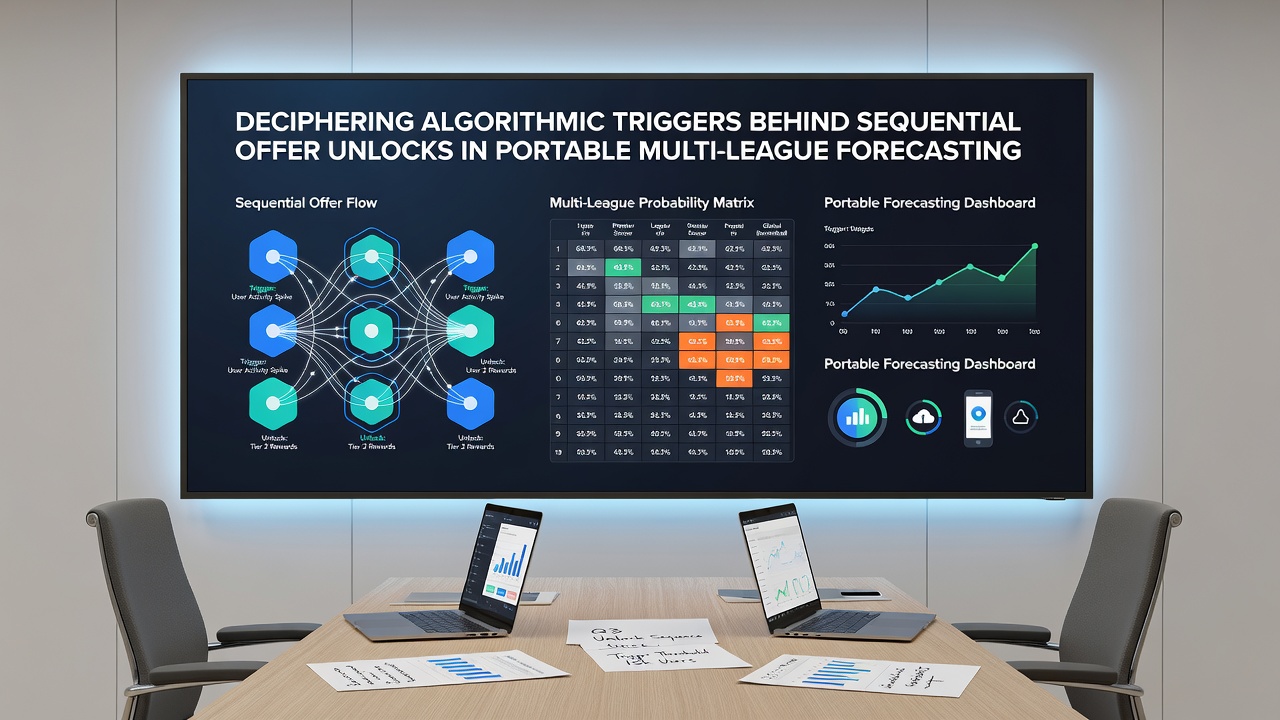
What's interesting here is how off-peak windows influence recalibration, as models shift emphasis toward emerging circuits or secondary leagues when primary competitions enter lulls. Take one case where experts found that prolonged inactivity triggers a resequencing prompt, nudging users toward alternative forecasts to restart the chain. This mechanism relies on reinforcement learning techniques that update weights based on historical completion rates across user cohorts.
Integration with Multi-League Timelines
Portable tools align their internal clocks with international athletic schedules, pulling data feeds from sources covering soccer, basketball, tennis, and motorsport events to determine optimal moments for advancing users through offer sequences. Observers note that during October 2026 overlap periods involving concurrent league phases, the algorithms prioritize unlocks tied to high-engagement windows, such as midweek matches or qualifier rounds, to maximize sequential progression. Research indicates these timing elements combine with individual performance indicators to create personalized pathways rather than uniform rollouts.
Users advancing through initial stages often encounter secondary triggers that reference prior forecast outcomes, creating feedback loops where accurate predictions accelerate access to later rewards. Industry reports highlight that this layered approach maintains platform balance by spacing out incentive distribution according to calculated risk profiles derived from aggregate user behavior.
Technical Implementation Across Platforms
Backend architectures employ event-driven architectures where API calls from the mobile application report completed actions in real time, prompting the central system to reassess eligibility and issue the next unlock if conditions align. Those who've examined similar implementations describe how server-side rules engines handle edge cases, such as partial completions or interrupted sessions, by storing state variables that resume the sequence upon reconnection. This design prevents fragmentation while allowing for A/B testing of trigger thresholds across segmented user groups.
Additional safeguards include rate-limiting mechanisms that cap the frequency of sequential advances within defined periods, ensuring sustained engagement rather than rapid exhaustion of available offers. Data patterns collected during these cycles feed back into model refinement, allowing developers to adjust weights for variables like device type or notification response rates.
Conclusion
Algorithmic triggers in these forecasting environments continue to evolve through iterative analysis of user sequences and external event data, producing structured pathways that govern offer distribution across portable multi-league tools. Evidence from regulatory monitoring bodies and academic examinations demonstrates the reliance on integrated models that balance personalization with compliance requirements, shaping how participants navigate successive unlocks in October 2026 and beyond.